



The Clarity Memo: Unfiltered.
The gap between what organizations intend and what actually happens is often a people problem, rarely a strategy one. These insights explore that gap through the lens of human-centered design, cultural intelligence, leadership behavior, AI adoption, and workforce design - all grounded in what is actually happening inside organizations right now.
Come ready to rethink what you know and leave with ideas you can actually use.

Issue No. 12 - THE CLARITY MEMO: Unfiltered.
“Hi, Have We Met?”
Mastering the Art of Relational Intelligence and Strategic Visibility
In high-stakes environments, we’re conditioned to believe competence is the ultimate currency. We stack credentials, hit every KPI, and perfect our deliverables. We rely on technical expertise, elite degrees, and glowing performance reviews to get us into the rooms we desire.

Issue No. 11 - THE CLARITY MEMO: Unfiltered.
A Back-to-School Memo for Corporate Leadership.
Are we preparing the youth for the future, or building a world without them?
We cannot gut the human training ground to save on headcount and then express surprise when the next generation shows up unprepared. That is not their failure; it is our organizational design flaw.

Issue No. 10 - THE CLARITY MEMO: Unfiltered.
The Misdiagnosis Cost.
On Human Impact & the Questions AI Can’t Ask.
A line from Pope Leo XIV's first encyclical, published two months before the Meta suit was filed, now reads less like theology and more like a forecast: technology is never neutral, because it takes on the characteristics of those who devise, finance, regulate, and use it.

Issue No. 09 - THE CLARITY MEMO: Unfiltered.
Machines Can't Be Held Accountable.
Apparently, Neither Can We.
A system that cannot reliably tell whether a machine or a human wrote something is now writing the permanent record of who your people are, how they perform, and what happens to them next. And few leaders are being asked, or are willing, to stamp their names on these systems.

Issue No. 08 - THE CLARITY MEMO: Unfiltered.
Humans at the Heart.
Your organization has three relationships it can no longer afford to manage separately – the colleague, the consumer, and the community.

Issue No. 07 - THE CLARITY MEMO: Unfiltered.
Being “The Only” Is Unsafe.
The danger of being the only Black person in an all-white space – at work, at home, in community, at play – is not a metaphor.
Issue No. 06 - THE CLARITY MEMO: Unfiltered.
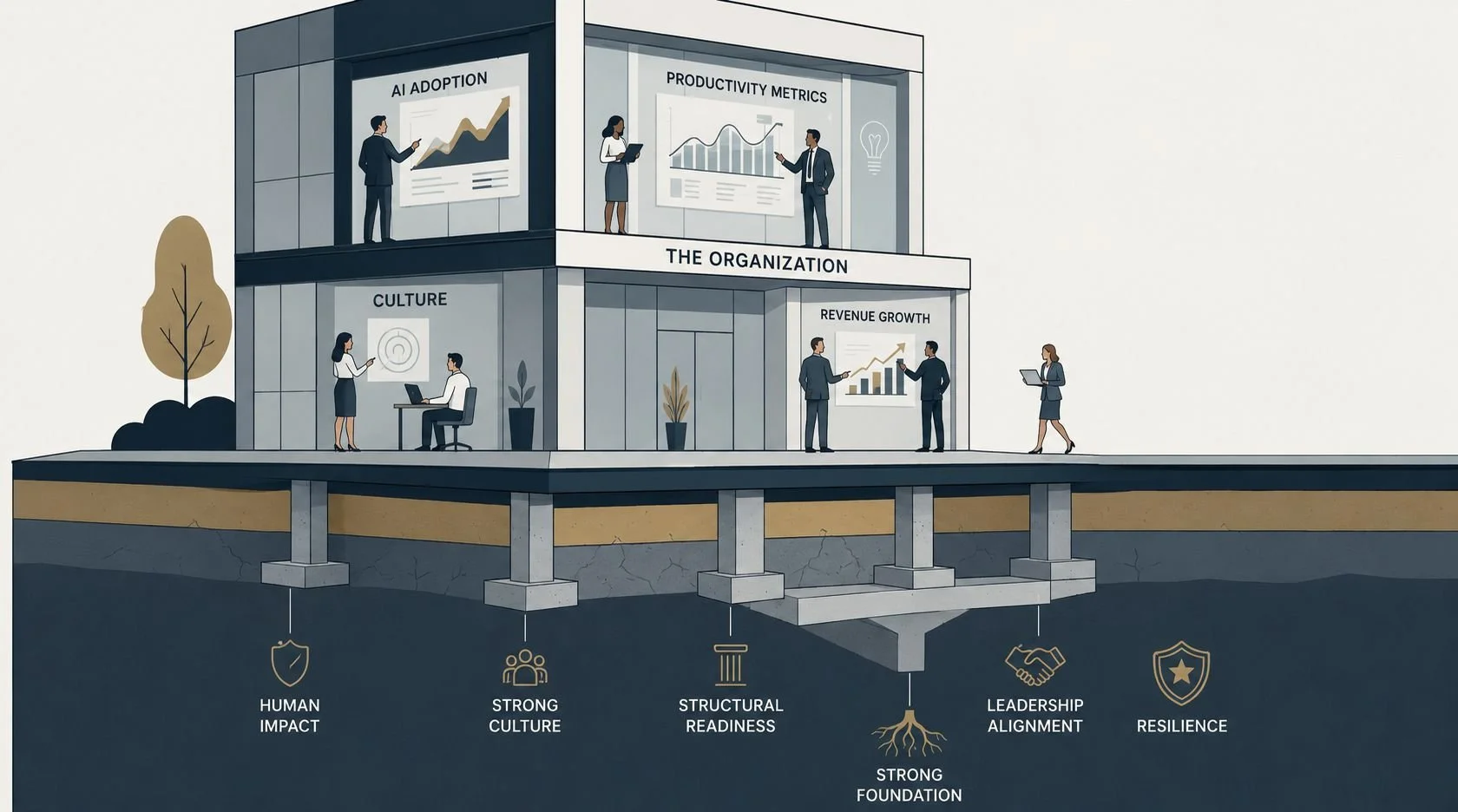
You’re Solving The Wrong Problem
Organizations and leaders often define success in operational and financial terms, while treating human input and outcomes as a downstream consideration.

Issue No. 05 - THE CLARITY MEMO: Unfiltered.
Non-Existent Studies and the Standards I Refuse to Compromise.
In an environment where AI is generating content, summarizing research, and populating knowledge bases faster than any audit cycle can keep pace with, trust transfer is no longer an edge case.

Issue No. 04 - THE CLARITY MEMO: Unfiltered.
The Decision Was Algorithmic. The Damage Is Human.
Algorithmic bias does not sit still. It moves through hiring systems, through performance data, through leader judgment, through organizational incentives – and at each layer, it picks up legitimacy.

Issue No. 03 - THE CLARITY MEMO: Unfiltered.
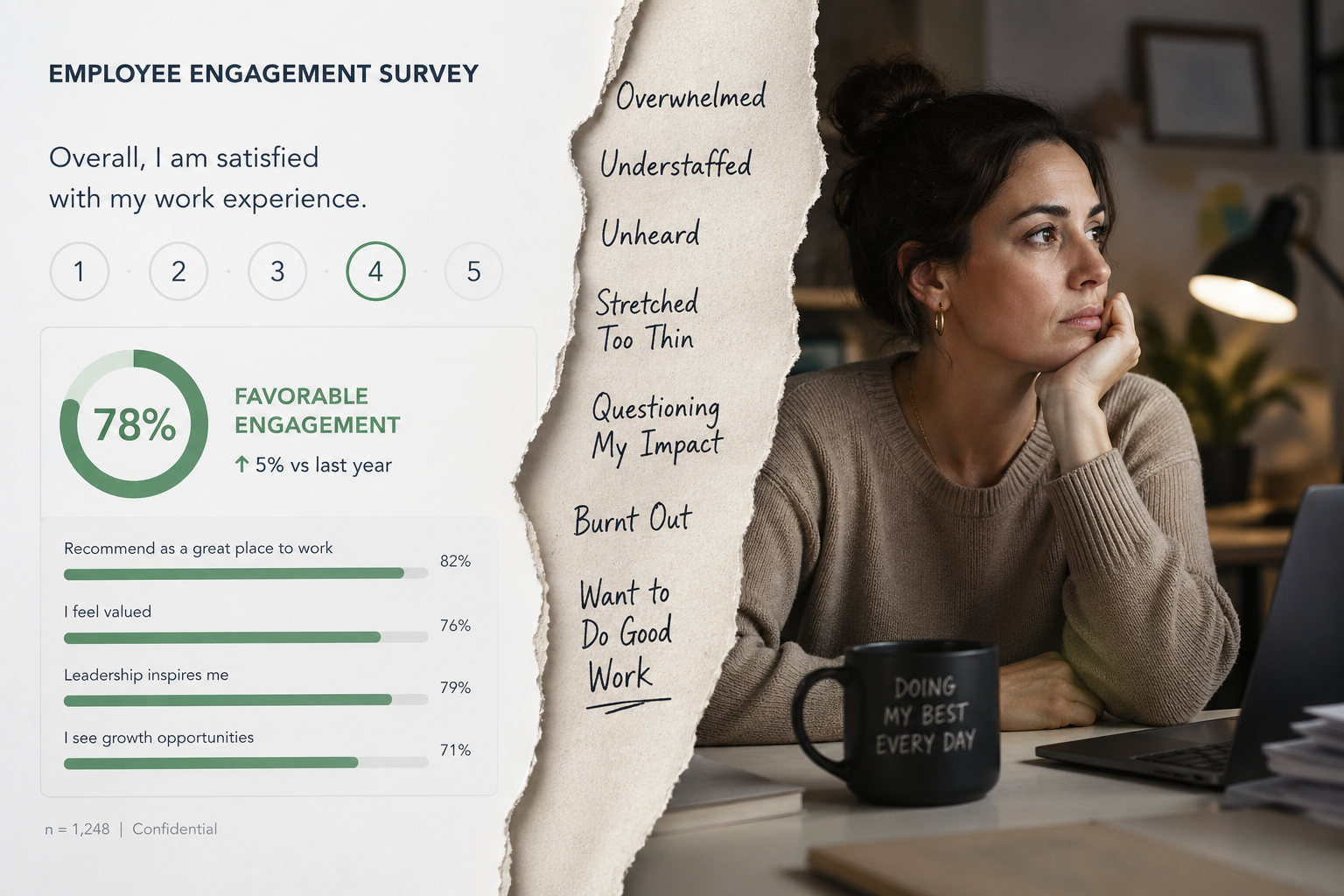
The Blind Spot No Strategy Deck Can Fix.
You are navigating the most compressed, high-stakes leadership environment in modern history, and most of you are doing it while quietly terrified.

Issue No. 01 - THE CLARITY MEMO: Unfiltered.
The Future of Work Is Not Digital
Bold claim, I know. Especially from someone who spends her days advising leaders on AI strategy.
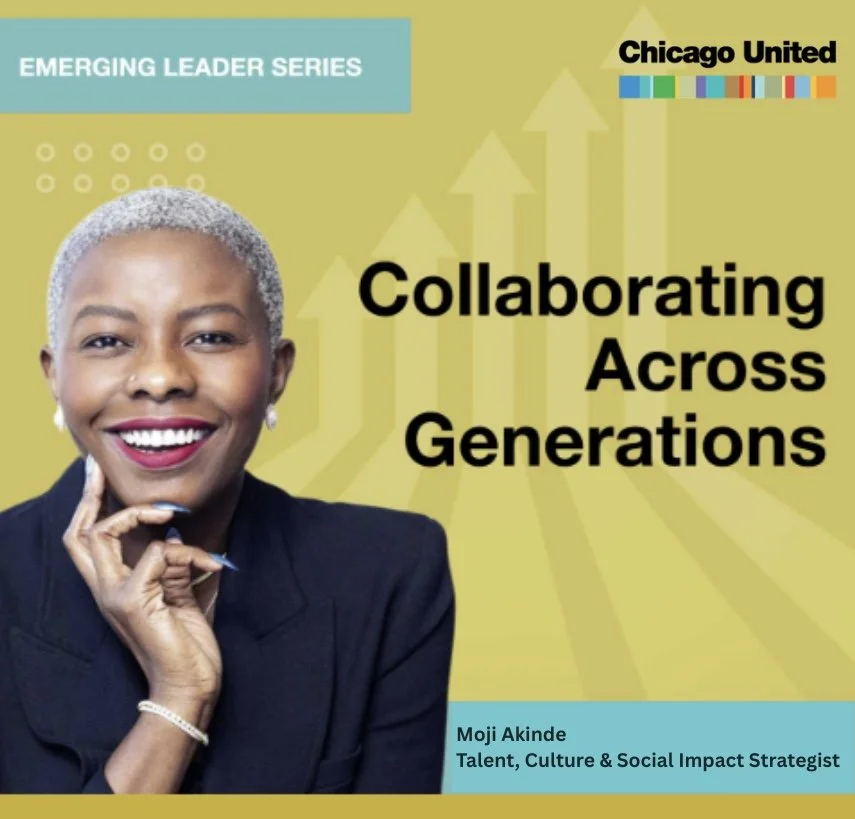
Leading Across Generations: Building the Future Without Breaking Each Other
Gen Z will make up nearly 30% of the workforce in just a few years. But they’re not the future workforce, they’re already here. And when they see leaders who reduce them to caricatures, what message are they expected to interpret from those interactions? And why would they want to work for leaders who refuse to respect and understand them?

Human Centered Design: Strategic Key to Future-Proofing Business and Society
Walk into most organizations today and you’ll see a familiar pattern: strategies are set in boardrooms, leadership frameworks rolled out in playbooks, products built in labs, and then, (only after all of this) the humans these systems are meant to serve are asked to adjust and pivot.

Encoding Humanity: Building a Multicultural Future of Work
The Machines are Coming! I’m too familiar with SkyNet, M3GAN and – what’s that robot’s name from iRobot? – to know that encoding a human element into the machines we use and design is critical to our survival.
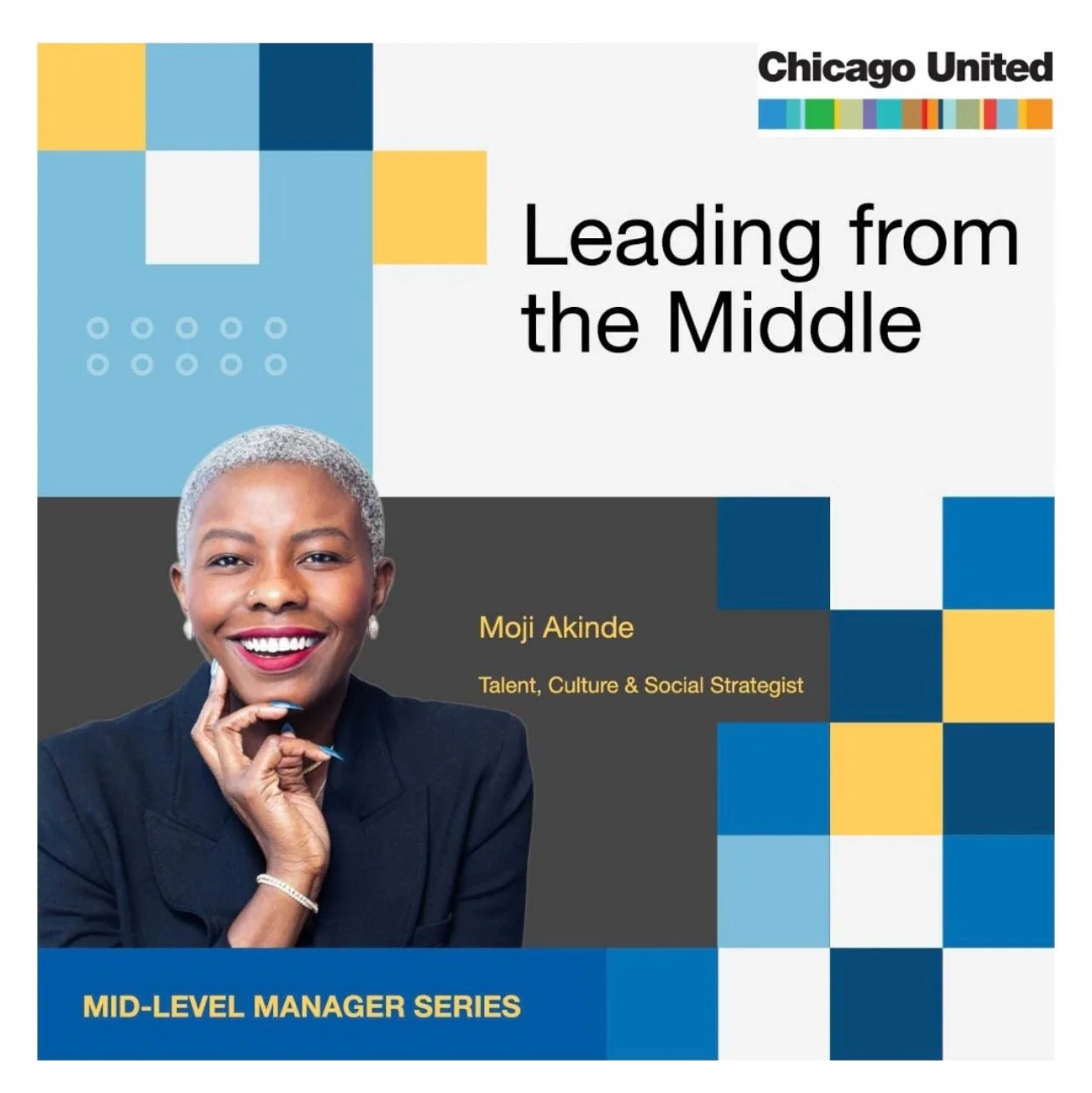
Lessons from the Middle: How Mid-Level Leaders Can Influence Without the Title
After a few glorious weeks of birthday naps (yes, plural) and some intentional downtime, I kicked off my “new year” in the best way I know how—teaching, connecting, and pouring into leaders.

Breaking Through: A Full-Circle Moment with Genesys Works Chicago
Some moments remind you why you do what you do. This one, standing on stage as the keynote speaker for Genesys Works Chicago’s 15th Anniversary Breaking Through Celebration, was one of those moments for me.